





































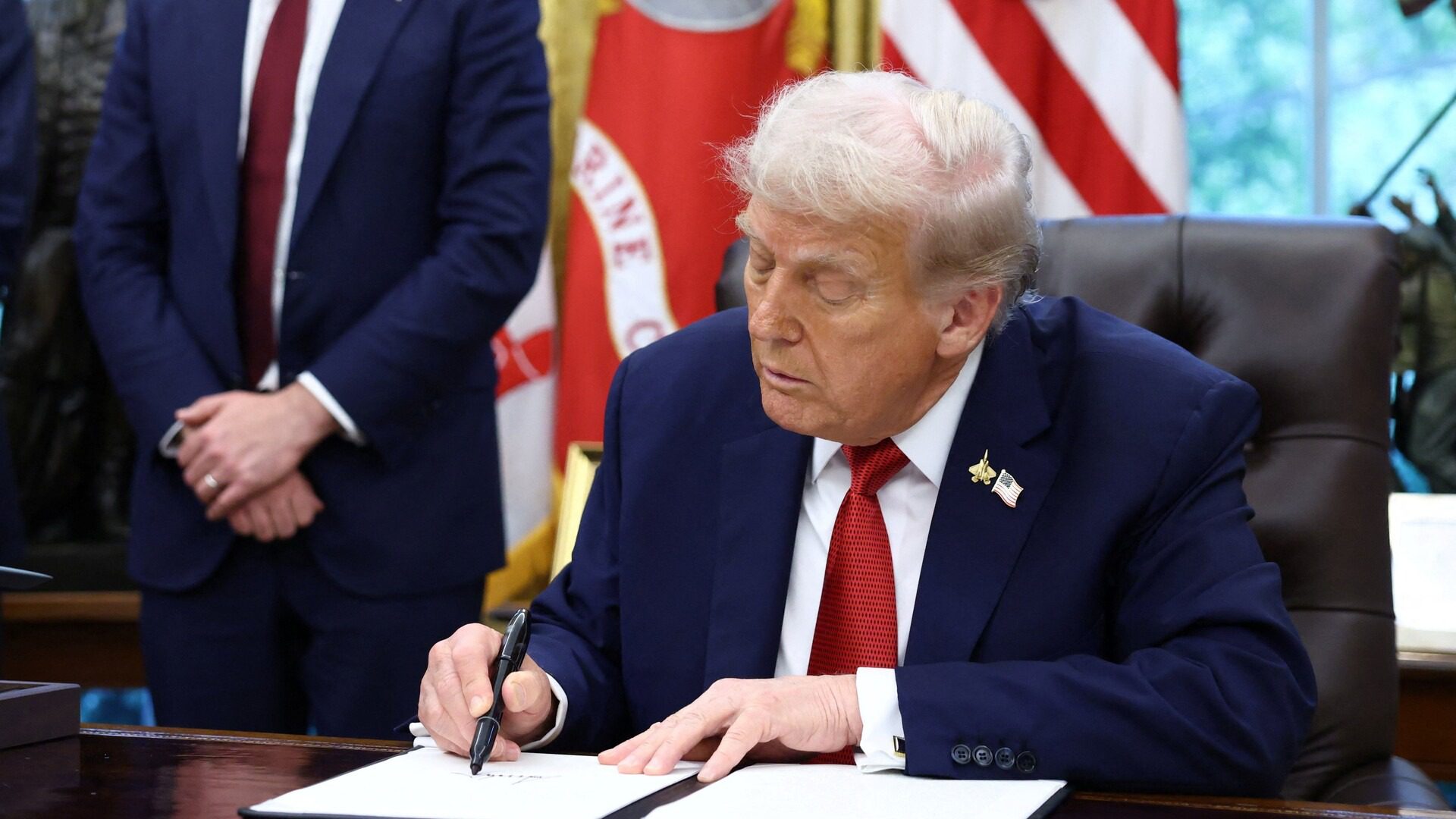
US President Donald Trump has announced sweeping new tariffs on pharmaceuticals, heavy duty trucks, home renovation materials and furniture, reigniting tensions in what many fear could grow into another full scale trade war.
The move, unveiled late Thursday on his Truth Social platform, marks the most aggressive trade policy since last April when the administration shocked global partners with blanket reciprocal tariffs on nearly every major trading ally.
Effective October 1, branded or patented pharmaceuticals imported into the United States will face a 100 percent tariff unless the producing company establishes its manufacturing base within American borders. Trump argued the policy is designed to bring pharmaceutical manufacturing back to America.
The measure has already drawn criticism from close allies. Australia, which exported pharmaceutical goods worth roughly 1.35 billion dollars to the US in 2024, warned the decision could have damaging ripple effects. Health Minister Mark Butler said the tariffs will not serve the interests of American consumers, especially when US exporters enjoy wide benefits under free trade with Australia.
In a separate post, Trump revealed a 25 percent tariff on all heavy trucks manufactured abroad, saying the move was meant to strengthen American producers like Peterbilt, Kenworth, Mack Trucks and Freightliner. European automakers Volvo and Daimler, which compete in the US market, saw their shares dip sharply in after hours trading following the announcement. Trump framed the decision as a matter of national security, citing an ongoing Section 232 investigation into foreign truck imports.
The president also turned his sights on household goods. Starting October 1, kitchen cabinets, bathroom vanities and related products will face a 50 percent tariff, while upholstered furniture imports will be hit with a 30 percent rate. According to the United States International Trade Commission, imports account for 60 percent of all furniture sold in the country, with Asia supplying the bulk of both wooden and upholstered items. Shares in retailers such as Wayfair and Williams Sonoma tumbled after the news broke.
Economists warn the sweeping tariffs could fuel inflation in the world’s largest economy, a concern that has shadowed previous rounds of Trump’s trade measures. But the president remains steadfast, presenting the policies as part of his mission to revive US manufacturing and roll back decades of reliance on imported goods.
Trump’s administration has already set a baseline 10 percent tariff on all imports, with higher rates on countries that run large trade surpluses with the United States. He has also tapped emergency powers to impose additional levies on Canada, Mexico and China, citing national security, immigration and fentanyl trafficking.
What remains unclear is how these new tariffs, set to take effect next week, will integrate with the existing layers of trade restrictions already in place.