
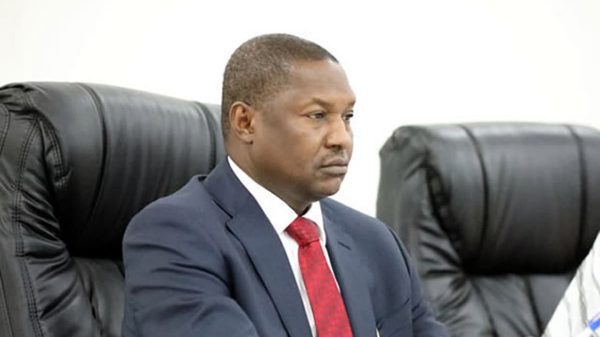






































The Minister of Foreign Affairs, Ambassador Yusuf Maitama Tuggar, has called on newly inducted diplomats to serve with innovation, professionalism, and an unwavering sense of patriotism as they represent Nigeria across the world.
Speaking on behalf of Vice President Kashim Shettima at the closing ceremony of the 26th Regular Course of the Foreign Service Academy in Abuja, Tuggar described the event as a defining moment in Nigeria’s diplomatic journey, marking the birth of a new generation of envoys who will project the nation’s values, interests, and conscience on the global stage.
He praised the academy for shaping a new class of foreign service officers equipped for the demands of modern diplomacy. However, he expressed concern over years of neglect, describing it as symbolic of the shrinking influence of diplomacy in governance. According to him, this neglect has weakened Nigeria’s capacity for effective statecraft — a challenge he has set out to correct.
Tuggar emphasized that his mission at the ministry is to restore diplomacy to its rightful place in national development by ensuring that Nigerian diplomats possess the skills, adaptability, and mindset required to thrive in an increasingly complex global environment.
“You now join the noble ranks of Nigeria’s Foreign Service—an institution that often operates behind the scenes but plays a crucial role in shaping the nation’s destiny,” he said, urging the graduates to remain lifelong learners, resilient, and forward-thinking beyond the confines of protocol and routine assignments.
The minister highlighted key reforms under President Bola Tinubu’s administration, including the removal of fuel subsidies and the unification of the foreign exchange market, noting that these policies are part of broader efforts to reposition Nigeria’s global image and economic outlook.
He reiterated that Nigeria’s foreign policy is now anchored on four central pillars — Democracy, Development, Demography, and Diaspora — and charged the country’s missions abroad to operate as economic hubs driving trade, investment, and technological partnerships.
Tuggar also dismissed recurring international claims of religious persecution in Nigeria, urging diplomats to counter such misinformation with facts about the nation’s constitutional protections, judicial independence, and long-standing commitment to religious freedom.
He reaffirmed the government’s plan to relocate the Foreign Service Academy to its permanent site in Badagry and appealed to the National Assembly to expedite the passage of the Foreign Service Commission Bill, which he said would strengthen the institution’s autonomy and ensure long-term sustainability.
Through his charge, Tuggar left the new diplomats with a clear message — to embody integrity, innovation, and strategic autonomy as they carry Nigeria’s voice and vision to the world.