






























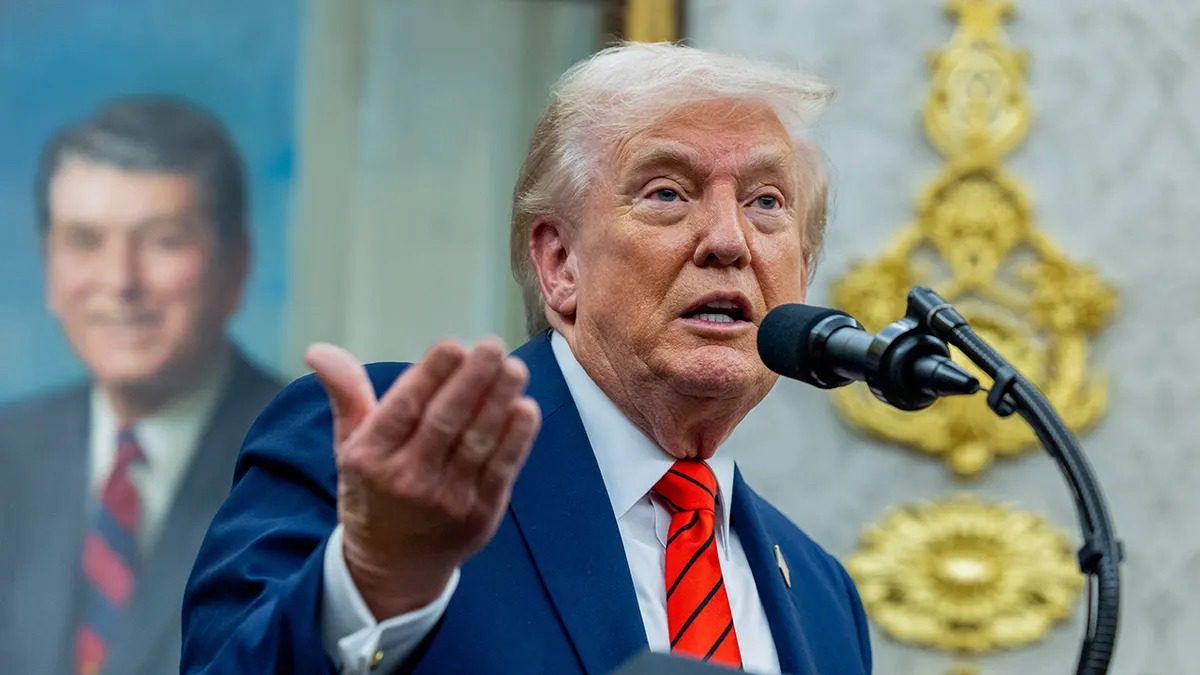
The U.S. Supreme Court justices, including several conservatives, sharply questioned President Donald Trump’s administration over its decision to impose sweeping tariffs under a 1977 emergency law, raising concerns about the limits of presidential power in trade matters.
During a tense two-hour session on Wednesday, the court heard arguments from both the administration’s lawyers and its challengers. The central issue was whether Trump had the legal authority to use the International Emergency Economic Powers Act (IEEPA) to impose tariffs without Congress’s approval. A final ruling is expected in the coming weeks or months.
Chief Justice John Roberts, a Republican appointee, pointedly noted that taxing Americans through tariffs has always been a congressional responsibility. “The vehicle is imposition of taxes on Americans, and that has always been the core power of Congress,” he said during the hearing.
The case stems from tariffs Trump first announced in April, targeting several of America’s major trading partners. His administration argued that growing trade deficits threatened national security, giving him the right to act unilaterally. While some rates were later adjusted, critics maintained the move overstepped presidential authority.
A lower appeals court had earlier sided against Trump, ruling that tariffs fall squarely under Congress’s jurisdiction, dealing a significant setback to his trade agenda.
In its appeal, Trump’s legal team warned that removing this authority could undermine key trade agreements negotiated under the pressure of those tariffs, suggesting that reversing the policy might weaken U.S. leverage in future negotiations.