



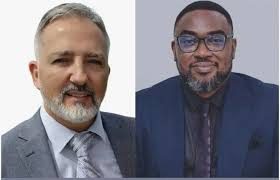








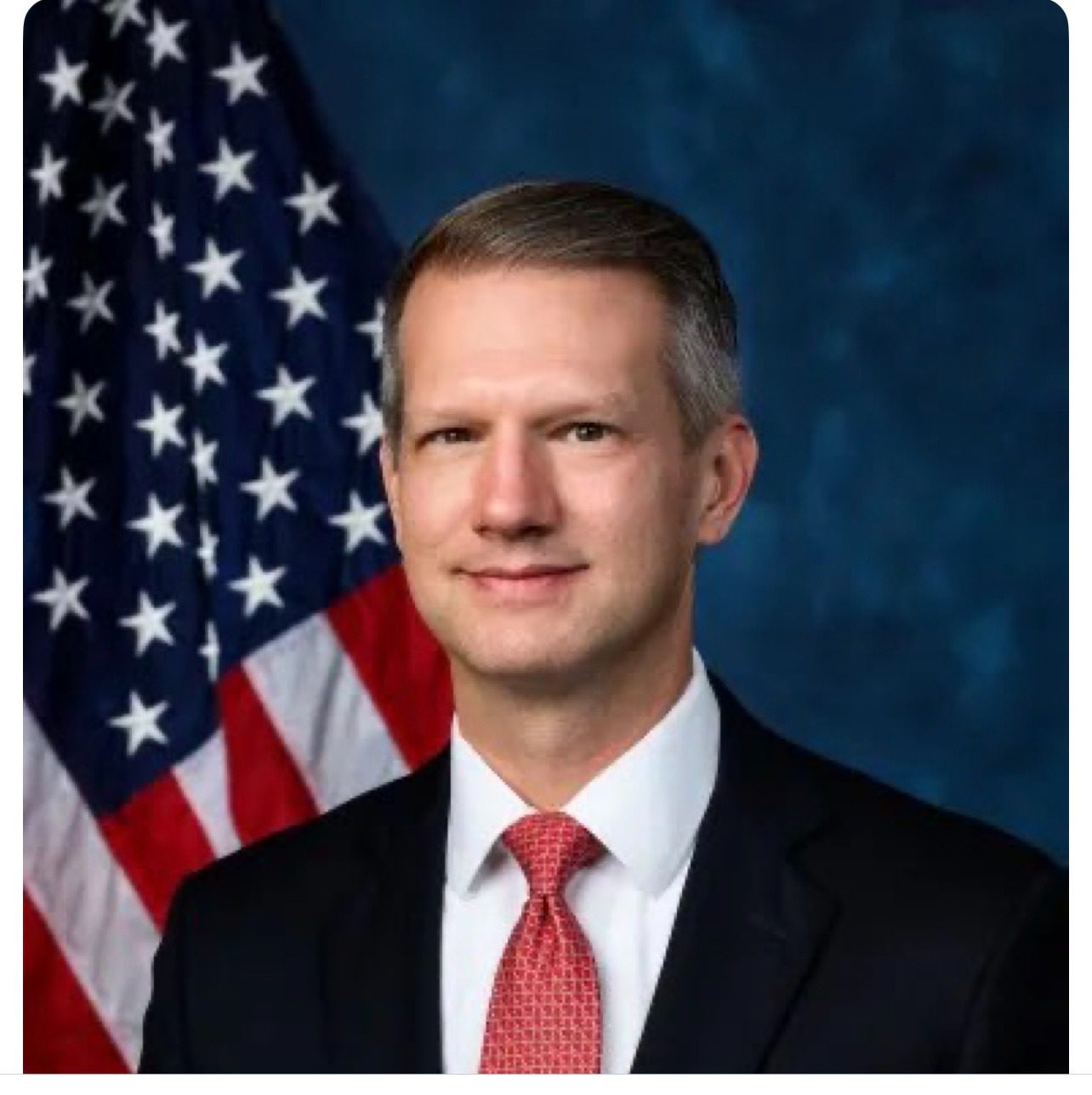
A United States congressman, Riley Moore, has confirmed holding discussions with a federal government delegation led by Nigeria’s National Security Adviser, Nuhu Ribadu, as both sides move to ease growing diplomatic tension over claims of Christian genocide in Nigeria.
Zoyols Blog gathered that beyond the meeting with Moore, the delegation is also scheduled to engage White House officials, security leaders and other lawmakers as concerns escalate in Washington.
Moore listed members of the visiting team to include the Minister of Justice, Lateef Fagbemi; Chief of Defence Staff, Gen. Olufemi Oluyede; Inspector General of Police, Kayode Egbetokun; Minister of State for Foreign Affairs, Bianca Ojukwu; Chief of Defence Intelligence, Lt. Gen. Emmanuel Undiendeye; and senior officials from the Office of the NSA and Nigeria’s Embassy in the US.
The statement noted that discussions were blunt but productive, with both sides addressing the violence faced by Christian communities, the wider threat of terrorism and the need for stronger collaboration between both nations.
Moore stressed that the United States was ready to work with Nigeria but insisted that concrete steps must be taken to curb attacks on Christians and halt religious persecution. He also referenced former President Donald Trump’s stern stance on the matter, warning that the US would not overlook continued bloodshed.
He maintained that he would be closely monitoring future developments while urging Nigeria to embrace cooperation in tackling Boko Haram, ISWAP and armed groups responsible for widespread violence.
His comments came shortly after Nigeria’s Foreign Affairs Minister, Yusuf Tuggar, downplayed the genocide claim during an interview, saying the violence was driven by criminality rather than targeted religious attacks. Tuggar argued that reported figures circulating globally were inaccurate and insisted that Nigeria had no intention of slipping into a Sudan-style sectarian divide.
Tuggar provided figures showing 177 Christians killed, 102 churches attacked, 98 people injured and seven abducted in the past five years, insisting the numbers were verified by government records.
However, the Christian Association of Nigeria (CAN) maintains that the pattern of attacks across the North and Middle Belt amounts to genocide. At a meeting in Jos, CAN President Daniel Okoh said Christian communities had endured sustained and targeted violence for years. He insisted that denying the reality of these attacks would be a grave injustice.
Okoh said he recently met displaced Christians in Bokkos, describing their resilience as remarkable despite the deep scars left by years of violence. He assured them that CAN and the wider Christian community across the country stood firmly behind them.
But the Secretary to the Government of the Federation, Senator George Akume, has warned that the growing description of the crisis as “Christian genocide” by the US and other groups is emboldening extremist elements who exploit the narrative to attack vulnerable communities.
Addressing the media, Akume insisted that both Christians and Muslims had suffered in equal measure, noting that Boko Haram, ISWAP and armed bandits frequently target mosques and churches alike. He warned that mischaracterising the crisis was damaging diplomatic relations and undermining years of security cooperation efforts.
Akume argued that Nigeria does not need foreign troops but requires enhanced intelligence support, advanced equipment and closer partnership from allies such as the US. He maintained that Nigeria remains a secular state and noted that appointments in the current administration reflect the country’s religious diversity.
He traced the roots of today’s insecurity to the collapse of Libya and the spread of heavy weapons across the Sahel, a development that strengthened extremist groups and later armed bandit networks across West Africa.
According to him, the federal government intends to expand security operations nationwide, deepen intelligence-sharing with the US, improve rural safety, and crack down on illegal mining and transnational criminal syndicates.
He reaffirmed that Nigeria and the United States, both major democracies, have a responsibility to work together in stabilising the region and combating extremist threats across Africa.