


















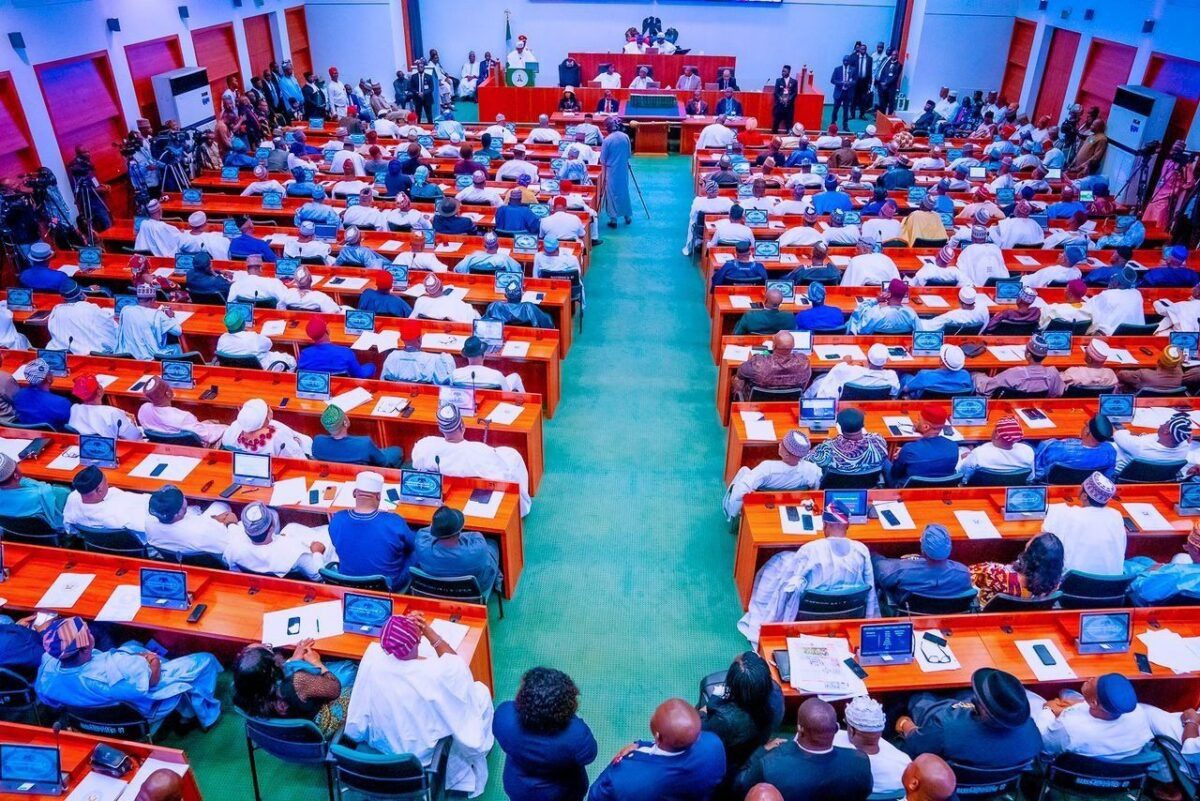
A Senate panel has voiced serious concerns regarding the current state of the nation, noting that the average Nigerian is yet to feel any tangible relief from the government’s economic policies. During a high-stakes budget hearing, the Senate Committee on Finance questioned the effectiveness of the current financial models, warning that the gap between official economic reports and the daily reality of citizens remains worryingly wide.
One of the major sticking points discussed was the mounting debt crisis involving local contractors. The committee, led by Senator Sani Musa of Niger East, urged the federal government to immediately scrap the current centralized payment system. According to findings shared with Reports, many contractors are still waiting for payments on projects completed as far back as 2024, while obligations for 2025 are already piling up. The panel argued that reverting to a decentralized payment model is the only way to clear this backlog and get the economy moving again at the grassroots level.
Senator Musa did not hold back in his critique of the “envelope” system of budgeting, describing it as a flawed approach that prioritizes routine spending over strategic growth. He called for a complete shift toward a priority-based model, ensuring that taxpayers’ money is channeled into projects that actually enhance the lives of the people. To achieve this, the committee is demanding closer collaboration between the government’s economic team and the National Assembly to reform these aging operational systems.
The hearing also took a dramatic turn regarding institutional accountability. The committee resolved to write to President Bola Ahmed Tinubu to formally request the dismissal of the Registrar-General of the Corporate Affairs Commission, Hussaini Ishaq Magaji, SAN. This decision followed the Registrar-General’s repeated failure to honor invitations to appear before the panel, a move the senators viewed as a blatant disregard for legislative oversight.
Defending the government’s position, the Minister of Finance, Wale Edun, alongside Budget Minister Senator Atiku Bagudu and the FIRS Chairman, presented the 2026 budget proposal of N58.472 trillion. Edun addressed the country’s staggering N152 trillion debt, explaining that a massive chunk of this figure is actually inherited debt and the result of exchange rate adjustments. He clarified that only about N20 trillion represents new borrowing since 2023 and assured the committee that the new budget is strictly designed to prioritize projects that will finally trigger visible economic growth.
Despite these assurances, the committee members maintained that prompt payment to contractors and stricter accountability in budget implementation are the only ways to ensure that the “economic gains” often cited by officials actually reach the pockets of ordinary Nigerians.