

















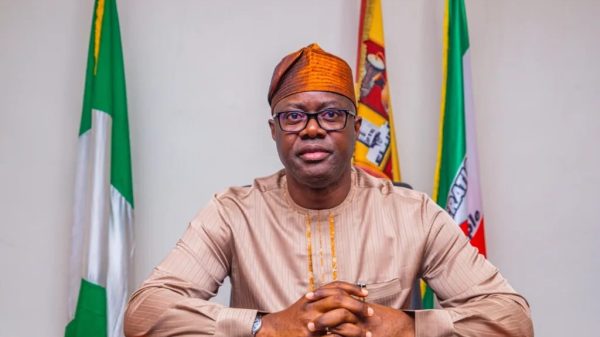
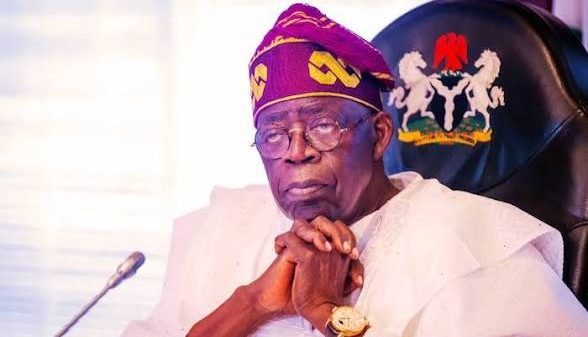





When President Bola Tinubu announced Olayemi Michael Cardoso as Nigeria’s 12th Central Bank Governor on September 15, 2023, expectations were high and doubts even higher. After a rigorous Senate confirmation, Cardoso and his four deputy governors assumed duty on September 23, stepping into an institution riddled with scandals, corruption, and questionable practices.
The Central Bank they inherited was weighed down by controversies, disillusioned staff, and the wreckage of years of politically driven policies. The foreign exchange market was in chaos, the naira was in free fall, and public trust in the institution was badly eroded. For many, the legacy of the past leadership left scars too deep to ignore.
Cardoso walked into the role at a time when Nigeria’s economy was struggling on nearly every front. Oil production was declining while theft thrived, foreign exchange had become scarce, inflation was surging, unemployment was painfully high, and public debt was climbing. Several states could barely pay salaries. Investor confidence was at its lowest, and the government was printing money to fund basic expenditures.
In his early days, Cardoso made it clear to President Tinubu that he would only take the job seriously if granted full independence to operate. His mission, he said, was to return the bank to the path of orthodox central banking and rebuild credibility at home and abroad. The president gave his word.
Two years later, that decision has reshaped the direction of the apex bank.
One of Cardoso’s first major moves was clearing the $7 billion backlog of outstanding foreign exchange obligations he met on assumption of office. After engaging forensic auditors to verify the claims, payments began, restoring the confidence of multinationals, investors, and airlines that had long struggled to repatriate funds.
The house-cleaning did not stop there. The CBN workforce, swollen to about 12,000, was trimmed by over 2,000 staff, with top executives redeployed in a restructuring exercise aimed at instilling professionalism and efficiency. For years, the bank had been seen as a haven for political patronage, where the children and associates of the powerful secured plum positions. Unsurprisingly, the downsizing drew heavy criticism from the political class.
Cardoso then turned his attention to stabilizing the banking system. A bold recapitalization programme was announced, raising the minimum paid-up capital for international banks to ₦500 billion, national banks to ₦200 billion, and regional banks to ₦50 billion, with a deadline of March 2026. The aim is clear: strengthen the sector against economic shocks, support Nigeria’s long-term growth agenda, and restore global investor trust.
The policy is already reshaping the industry. Leading banks like Access, FBN, GT, UBA, Zenith, and Fidelity are well ahead in meeting the target, while others are adjusting their strategies. Analysts expect another round of mergers and acquisitions, reminiscent of the 2004 consolidation that reduced the number of banks from 89 to 25.
Meanwhile, the CBN has kept its eyes on its core mandate—price stability and financial system soundness. The removal of fuel and foreign exchange subsidies triggered sharp naira devaluation and rising consumer prices. The bank has responded with tight monetary controls, walking the delicate line of managing exchange rates and curbing inflation—two goals that often work at cross-purposes.
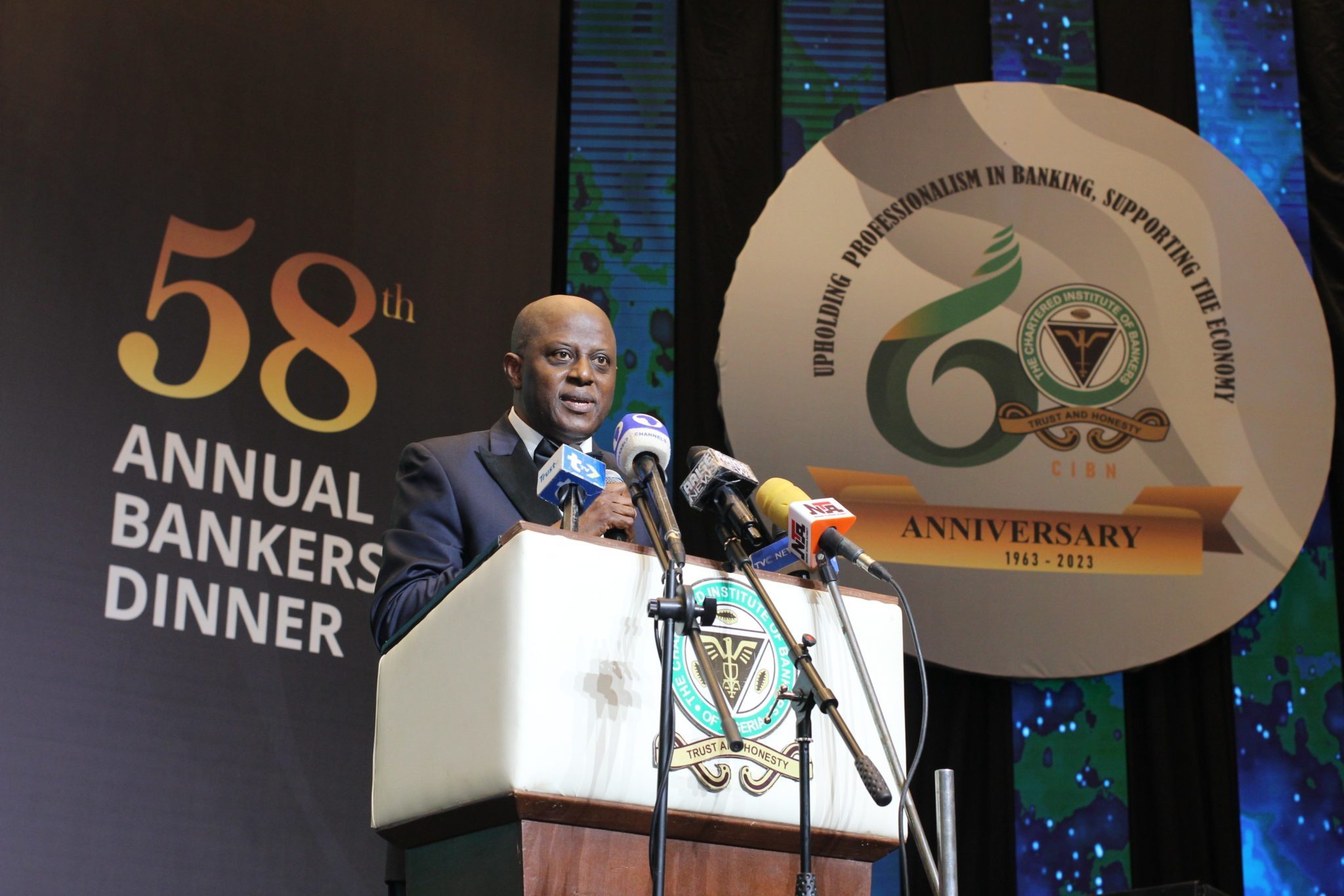
Cardoso has hinted that relief may be on the horizon. With inflation showing signs of easing, he has projected a gradual decline in lending rates, currently hovering between 32% and 36%. Speaking at the European Business Chamber in Lagos, he highlighted macroeconomic stability, banking recapitalization, and positioning Nigeria as an attractive investment destination as the central priorities of his leadership.
“Our primary objective is to sustain stability while tackling inflation and ensuring the financial system is strong enough to support corporate lending and investment,” he said.
Observers also note a growing collaboration between the CBN and fiscal authorities—something that had been rare in the past. Regular engagement with the Ministries of Finance, Industry, Trade and Investment, as well as the Budget Office, now provides a more coordinated approach to economic management.
At his Senate screening, Cardoso pledged to restore professionalism, integrity, and respect to the Central Bank. Two years on, he appears to have set that process in motion, steadily steering the institution away from the controversies of the past and onto a path of cautious but determined reform.